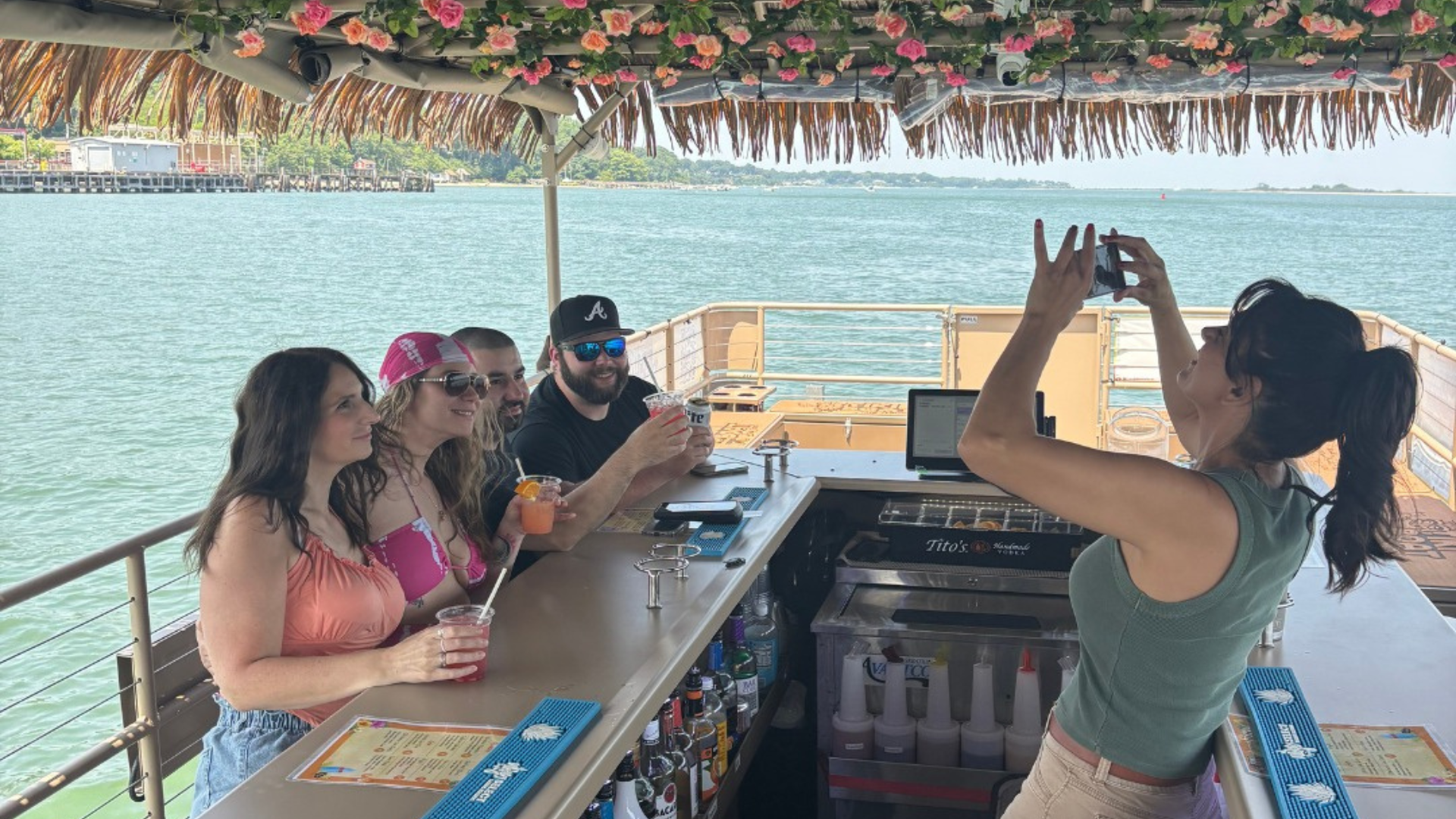

The Enchanted tiki party boat and our crew prioritize safety for an unforgettable Long Island cruise. This guide details our layered safety system, covering credentials, onboard gear, emergency procedures, weather policies, passenger rules, and maintenance practices for public sails, private charters, and corporate events. It outlines USCG certifications, life jackets, rescue tools, emergency training, weather cancellation thresholds, and routine inspections, helping you prepare for a secure outing.
What USCG Certifications and Crew Qualifications Ensure Safety on Tiki Boat Long Island?
USCG credentials and well‑trained crew are fundamental to safe passenger operations. A USCG‑certified Master Captain is legally responsible for navigation, vessel operation, and regulatory compliance, making all on‑the‑water safety calls. Our crew also hold certifications in CPR, first aid, crowd management, and hospitality safety, enabling quick and effective responses to injuries, passenger behavior, and safety gear operation. This combination of licensed command and ongoing training ensures safe outings.
Tiki Boat Long Island employs USCG‑certified captains and hospitality‑trained crew, reinforcing our safety‑first approach. Captains manage the vessel, while trained crew assist with boarding, safety checks, and emergency readiness. This blend of formal certification and hands‑on training ensures experienced navigation and attentive onboard supervision.
Who Are the USCG Certified Captains Operating the Enchanted Vessel?
A USCG‑certified Master Captain commands passenger vessels, accountable for navigation, safety, and regulatory compliance. This license requires logged sea time, USCG exams, and medical/drug screenings. The captain determines routes, manages weather contingencies, and coordinates with emergency services. A licensed captain at the helm assures passengers of experienced, professional vessel operation and regulatory adherence.
Captains conduct pre‑departure checks and lead emergency drills, ensuring high readiness. Their regulatory knowledge and seamanship guide safety procedures and guest communication. In unexpected events, a captain’s swift, informed decisions on maneuvering, evacuation, or diverting to shore are a primary safeguard.
What Specialized Training Do the Tiki Boat Long Island Crew Members Receive?
Our crew receives training in CPR, basic first aid, crowd management, responsible alcohol service, and onboard emergency procedures for immediate assistance. Regular refreshers and drills maintain these skills for injury assessment, life-saving care, and evacuation coordination. Hospitality training ensures safe beverage service and guest supervision. This comprehensive training balances guest service with competent safety response.
Frequent drills and cross‑training enhance coordination, ensuring every crew member knows their role during an incident. Practicing realistic scenarios builds efficient responses, reducing panic and speeding recovery. This blend of medical readiness and service procedures fosters an onboard culture where safety and guest experience are mutually reinforcing.
What State-of-the-Art Safety Equipment Is Available Onboard the Enchanted Tiki Boat?
Safety equipment, maintained to USCG standards, empowers our crew to prevent and respond to incidents. Inventory includes USCG‑approved life jackets (adult/child), throwable flotation devices, ABC‑rated fire extinguishers, a marine first‑aid kit, VHF marine radio, navigation lights, and an engine cut‑off switch (ECOS). Proper storage, routine checks, and crew training ensure quick accessibility and deployment during emergencies, supporting survivors and facilitating rescue.
Below is an inventory of safety items carried on the Enchanted, detailing device, approval standard, location, and intended user, meeting passenger‑for‑hire requirements.
The Enchanted carries all USCG‑approved devices and communication tools required for passenger operations.
Which USCG-Approved Life Jackets Are Provided for Passengers and Children?
The Enchanted provides USCG‑approved PFDs for adults and children, ensuring correct fit and buoyancy. Child‑size jackets are accessible, and crew assist with fitting. When mandatory wear is required, crew enforce the rule and demonstrate proper fitting. Correctly fitted life jackets reduce drowning risk by providing reliable flotation.
Providing child sizes and fitting assistance transforms regulatory compliance into practical protection and peace of mind. Crew support at boarding speeds the process, boosts passenger confidence, and ensures PFDs perform optimally.
Life Jacket Usage: An Evaluation of Marketing Campaigns Versus Mandatory Regulations
Between 1999 and 2012, adult life jacket use on powerboats was reported at roughly 4% overall. Educational campaigns like “Wear It California!” produced modest bumps in voluntary use (from about 8.5% to 12.1% in year one, then fluctuating afterward), while mandatory wear rules produced much larger, sustained increases. One study showed adult use rising from 13.7% to 75.6% in the first year after regulation at four USACE lakes, remaining near 70% in subsequent years. These findings suggest mandatory requirements are far more effective than campaigns alone at boosting life jacket adoption.
What Other Essential Safety Devices Are Onboard?
Beyond life jackets, the Enchanted carries firefighting, man‑overboard recovery, and communication equipment. This includes throwable rings, ABC‑rated extinguishers, visual distress signals (flares), and redundant comms with backup power. Crew log inspections, track service dates, and replace consumables, reducing failure points and ensuring tools are available and operable.
Layering well‑maintained devices creates overlapping safety nets: radios connect to outside help, flotation buys time, and fire suppression limits harm. This forms a coordinated response capability aligned with maritime safety best practices.
How Are Emergency Protocols and Safety Drills Implemented on Tiki Boat Long Island?
Emergency protocols and drills translate equipment and training into reliable actions for incidents like man‑overboard, fire, or medical emergencies. Clear role definitions for captain, deck crew, and hospitality staff ensure predictable responsibilities. Regular drills under simulated conditions improve timing, communication, and coordination with external responders. Written procedures and after‑action reviews refine plans, incorporating lessons and strengthening readiness with local emergency services.
Below is a summary of major emergency procedures, guiding crew training and informing guests on our response.
What Are the Man Overboard and Fire Emergency Procedures?
Man‑overboard responses prioritize quick action for visibility, flotation, and safe recovery. Steps include: 1) Alerting and pointing, 2) Deploying flotation and maintaining visual contact, 3) Maneuvering for recovery, 4) Bringing the person aboard for first aid, and 5) Calling for assistance if needed. These practiced steps preserve life through coordinated action and boat handling.
Fire procedures emphasize containment and passenger protection during controlled suppression. Steps include: 1) Alerting and isolating sources, 2) Using an ABC extinguisher if safe, 3) Mustering passengers and preparing for evacuation, 4) Diverting to shore if uncontrolled, and 5) Notifying emergency services and documenting. Practiced responses minimize injury and damage, allowing rapid escalation.
How Does the Crew Handle Medical Emergencies and Evacuations?
Medical response focuses on patient stabilization, clear communication, and swift care transfer. Trained crew utilize the first‑aid kit and CPR, briefing the captain for potential diversion to shore. If evacuation is needed, the captain coordinates with authorities for safe landing, while crew prepare passengers and gather medical details. Incidents are documented for procedure improvement and reporting.
This pathway—stabilize, communicate, divert/evacuate—ensures efficient handling of medical events, combining clinical care, navigational decisions, and external coordination for optimal outcomes.
How Does Weather Monitoring and Operational Policy Protect Passengers on Tiki Boat Long Island?
We minimize exposure to hazardous conditions through continuous weather monitoring, clear decision thresholds, and prompt guest communication. The captain checks marine forecasts, radar, and lightning alerts, making go/no‑go calls based on wind, wave height, lightning, and visibility. Our policies define objective triggers for cancellation or rescheduling (e.g., thunderstorms, high winds, unsafe seas) and outline passenger recourse. Proactive monitoring and transparent thresholds prioritize safety and avoid surprises.
Decisions blend objective data with captain judgment, ensuring safety margins account for changing conditions. Guests are promptly notified of cancellations, reschedules, or adjustments, reducing uncertainty and maintaining trust.
What Weather Conditions Trigger Cruise Cancellations or Rescheduling?
Cruises are canceled or rescheduled when weather exceeds safe operational limits, such as thunderstorms with lightning, sustained high winds, or low visibility. We use wind‑speed thresholds and marine advisories as objective triggers. Canceled trips offer options like rescheduling, credits, or refunds per policy. Clear thresholds and timely notices help guests plan, minimizing inconvenience while prioritizing safety.
Transparency about triggers and options builds confidence, ensuring guests understand decisions and how we assist with plan recovery during weather disruptions.
How Does the Enchanted Vessel Adapt to Rain and Changing Weather?
The Enchanted operates comfortably in light rain, offering sheltered areas and operational adjustments like covered seating, removable side panels, rerouting to calmer waters, and reduced speed. However, we will not operate in conditions threatening stability, visibility, or passenger safety. The captain will return to shore or cancel if conditions worsen, ensuring predictable, safety-focused decision-making.
Sheltered seating, careful route selection, and moderated speeds mitigate minor weather, while the captain continuously evaluates safety. These layered protections reduce exposure, ensuring a safe and comfortable passage.
What Passenger Safety Guidelines and Regulations Must Guests Follow on Tiki Boat Long Island?
Passenger guidelines translate regulations into clear behaviors that reduce risk and aid emergencies. Rules cover age restrictions, mandatory life jacket use, responsible alcohol service, no swimming from a moving vessel, and advance notice for service animals. Crew enforce these rules to protect all, with interventions up to removal for unsafe behavior. Clear, published passenger guidelines set expectations and prevent safety-compromising incidents.
Consistent policy application preserves the boat’s safety culture, ensuring operational decisions, like mandatory life jacket wear, are respected and effective. The next section details age and PFD requirements and crew compliance management.
What Are the Age Restrictions and Life Jacket Requirements for Passengers?
Age and life jacket rules provide extra protection for vulnerable passengers. Child‑size USCG‑approved jackets are available and mandatory when required by the captain or regulations. Crew assist with fitting and checking child PFDs at boarding and during the cruise, lowering drowning risk and ensuring consistent safety for families.
Enforcing age‑related PFD rules and offering fitting support blends regulation with practical control, preventing accidents involving children or less experienced swimmers.
What Are the Alcohol, Swimming, and Service Animal Policies?
Our alcohol policy prioritizes responsible service and safety; crew limit overconsumption and will remove disruptive individuals. Swimming from a moving vessel is prohibited; recreational swimming is only allowed when moored and authorized. Service animals are welcome with advance notice, and crew provide guidance for safety and comfort. These rules balance guest enjoyment with legal and operational safety.
Enforcing these policies protects the group by reducing behavioral risks and ensuring safe management of service animals and passengers with special needs. Alcohol and no‑swimming policies also minimize common emergency triggers.
How Does Tiki Boat Long Island Maintain Vessel Safety Through Regular Inspections and Maintenance?
Routine inspections and preventative maintenance preserve vessel integrity and safety system reliability, reducing mechanical failures. Pre‑departure checklists confirm navigation, steering, engine status, and safety equipment. Weekly/monthly inspections cover engines, electrical systems, bilge pumps, and service dates for extinguishers and first‑aid. Documented inspections create an audit trail, demonstrating compliance and supporting continuous improvement, ensuring the vessel meets passenger‑carrying standards.
A disciplined maintenance program assigns inspection duties to crew or qualified service providers, minimizing downtime and guaranteeing vessel safety. The table below outlines common inspection items and cadence.
Service and inspection records verify readiness and support transparent safety practices.
What Routine Vessel Inspections and Preventative Maintenance Are Conducted?
Pre‑departure checklists are frequent inspections, verifying engine start, navigation lights, radio function, and safety gear accessibility. Weekly/monthly tasks include engine checks, bilge pump tests, battery checks, and first‑aid/life‑saving equipment reviews. Issues are routed to technicians. Crew log findings to spot trends and schedule preventative service, reducing in‑service failures and supporting safe operation.
Proactive habits and professional servicing prevent small problems from escalating, ensuring vessel reliability. Thorough record‑keeping provides regulatory evidence of due diligence.
How Does Compliance with Modern Safety Standards Like Engine Cut-Off Switches Enhance Safety?
An engine cut‑off switch (ECOS) automatically stops propulsion if the operator is ejected or leaves the helm, preventing uncontrolled vessel movement and reducing strike risk. ECOS devices are modern safety standards mitigating runaway‑boat incidents, crucial for recreational and passenger vessels where operator incapacitation is catastrophic. Installing and testing ECOS gear lowers post‑incident hazards and expands passenger safety margins, converting operator absence into an immediate engine stop.
ECOS compliance complements life‑saving equipment and crew training by addressing uncontrolled vessel motion, completing a multi‑layered safety strategy protecting passengers, crew, and other water users.
Tiki Boat Long Island’s layered safety commitment—USCG‑certified captains, hospitality‑trained crew, modern safety devices, Port Jefferson departures, and clear policies—supports safer, high‑quality cruise experiences. Groups planning private charters or corporate events can review our safety‑forward operations and crew bios for confident booking. Inquire about private events and crew qualifications for a memorable, safe outing.
Conclusion
At Tiki Boat Long Island, your safety is paramount. Our multi-layered protection includes USCG‑certified captains, specialized crew training, modern safety equipment, and disciplined maintenance, ensuring you enjoy your cruise with confidence. For private charters or events, review our safety-forward operations and crew bios for peace of mind. Contact us to plan your next safe and unforgettable outing.