Quick Answer: “Celebrate a company milestone on Long Island with an event that recognizes the achievement, includes the people who made it possible, and feels different from a normal workday. Restaurant dinners suit small leadership groups, while a private corporate cruise creates a more social experience with music, drinks, waterfront views, and room to celebrate together.”
A company milestone deserves more than a congratulatory email or cake in the break room. Whether your business is celebrating an anniversary, a major sales target, a new location, or the completion of a difficult project, the event should make employees feel that their work mattered.
The right celebration does not need an elaborate program. It needs a clear purpose, an enjoyable setting, and enough structure to recognize the achievement without turning the event into another meeting.
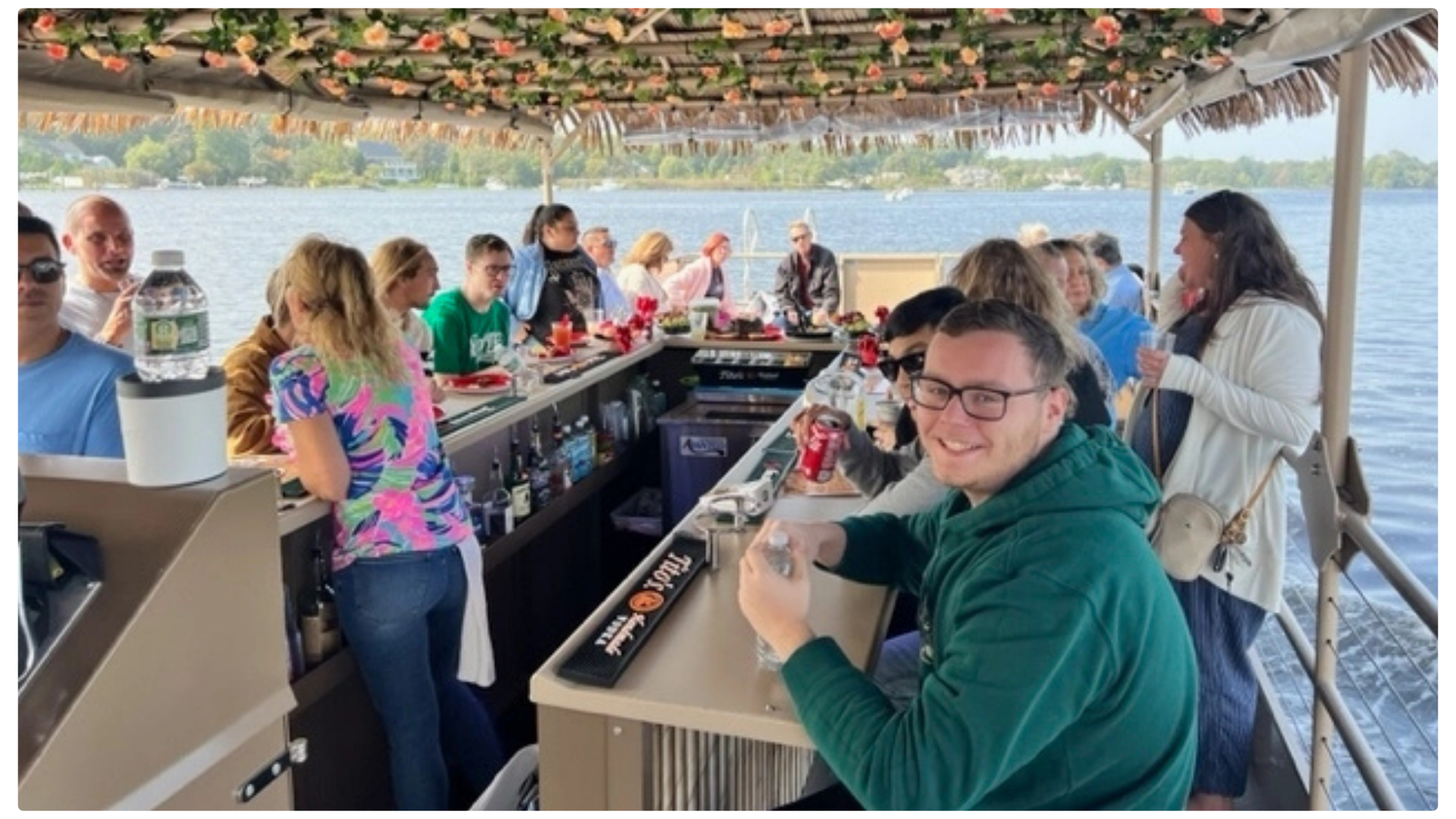
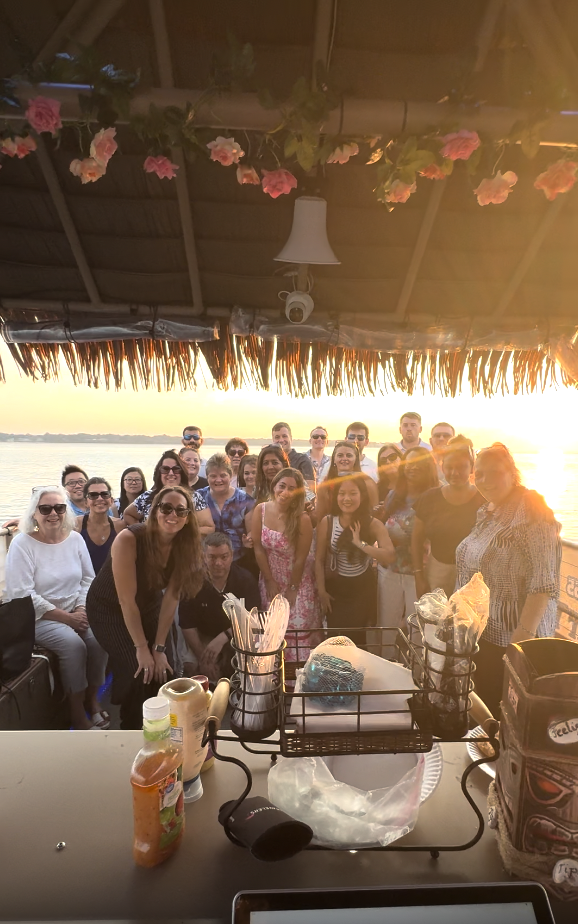
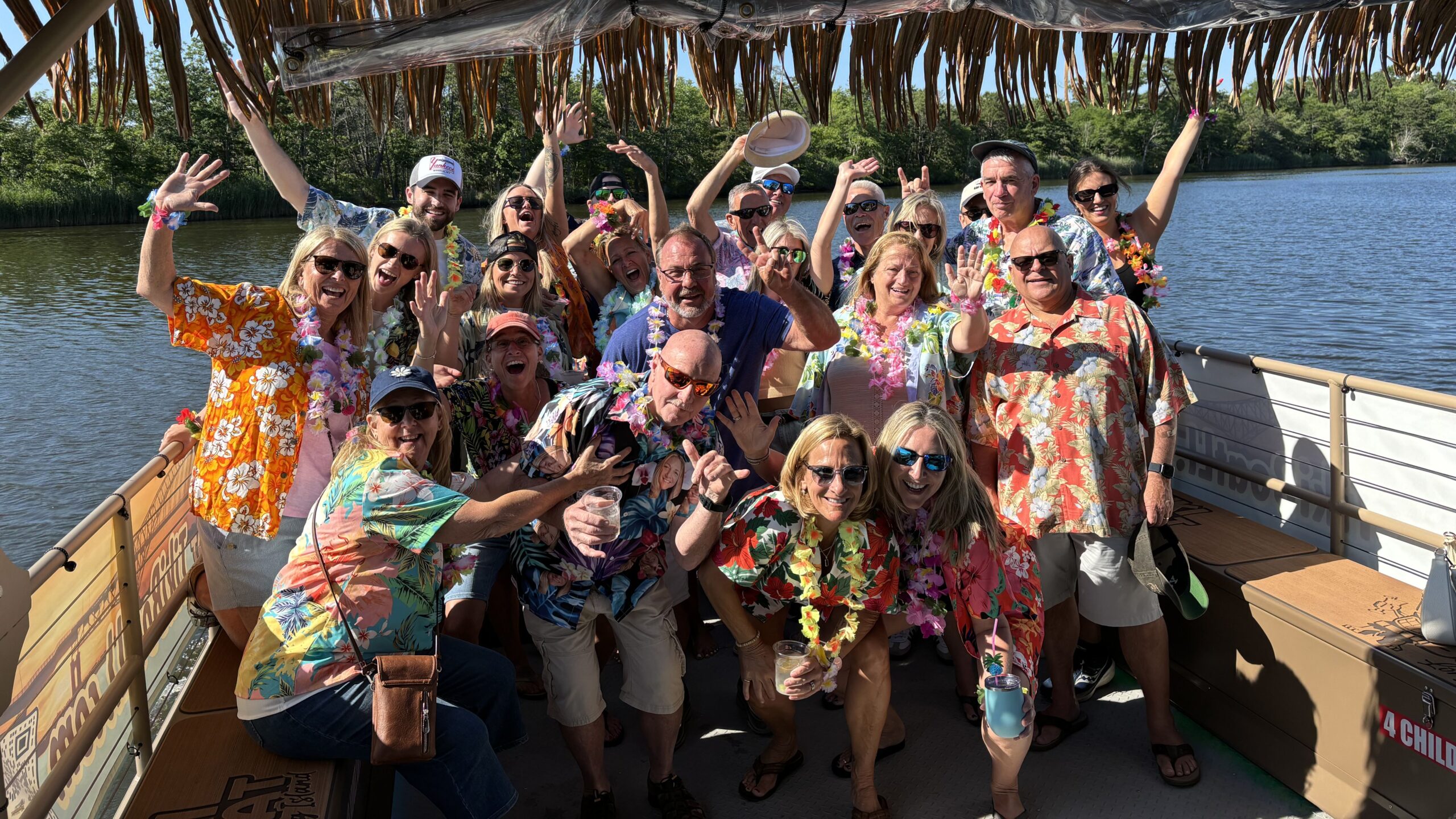
For a milestone that should feel memorable and separate from the workday, a private corporate event cruise on Long Island gives your team a contained venue with waterfront views, music, drinks, and space to connect outside the office.
Company milestones worth celebrating
A company does not need to wait for its 25th anniversary to bring people together. Smaller wins can have a major effect on morale when leadership takes time to recognize them.
Common company milestones include:
- Reaching a major revenue or sales goal.
- Celebrating five, ten, or twenty years in business.
- Opening a new office or location.
- Completing a major client project.
- Launching a new product or service.
- Growing the team to a meaningful size.
- Entering a new market.
- Winning an important industry award.
- Completing a merger, expansion, or rebrand.
- Finishing a demanding season or company-wide initiative.
The scale of the celebration should match the achievement. A department win may call for a smaller team event. A major business anniversary may justify inviting employees, clients, vendors, and long-term partners.
What matters is that the company explains why the milestone is important and recognizes the people who contributed to it.
What should a company milestone event accomplish?
A strong company milestone celebration should recognize the past, reward the people present, and create excitement about what comes next.
The event should not feel like an annual meeting in a different room. Employees already know the company has goals. The celebration should focus on the people and work behind the result.
A good milestone event can:
- Make employees feel recognized.
- Strengthen relationships across teams.
- Give leadership a natural way to express appreciation.
- Reconnect remote or hybrid employees in person.
- Thank clients and partners who supported the company.
- Create photos and stories for internal culture.
- Build momentum for the next phase of growth.
Choose one primary purpose before planning the event. An employee appreciation celebration should feel different from a client-facing company anniversary. A sales milestone party may have more energy than a leadership retreat.
Once the purpose is clear, the venue and format become easier to choose.
Should you celebrate at the office?
An office celebration works when the milestone is meaningful but does not require a full event.
It is convenient, familiar, and easy to organize. Employees are already there, and the company can keep the celebration short. Office events work well for monthly wins, small project completions, promotions, and internal announcements.
An office celebration is a practical choice when:
- The event should last less than two hours.
- Attendance needs to be simple.
- The milestone belongs to one department.
- The company wants an informal daytime gathering.
- The budget and planning needs should remain limited.
The main problem is that employees may not feel like they have left work. Conference rooms, desks, and screens can make even a well-planned event feel like an extension of the day.
An office event is enough for smaller wins. Major company milestones usually deserve a setting that creates more separation from normal work.
Is a restaurant dinner the right format?
A restaurant dinner works best for small groups, leadership teams, important clients, and milestones where conversation is more important than entertainment.
The format is familiar and predictable. Food, service, seating, and cleanup are handled by the venue. Guests know what to expect, which makes a restaurant a low-risk choice.
Restaurant dinners work well for:
- Leadership anniversaries.
- Small executive teams.
- Major client account wins.
- Partner appreciation.
- Formal company announcements.
- Quiet celebrations with fewer guests.
The limitation is the guest flow. People tend to remain at their assigned tables and speak with the same few coworkers throughout the evening. A restaurant can also feel like another business dinner, especially for sales teams and executives who already attend them frequently.
Choose a restaurant when the meal is the event. Choose an experience-based venue when the achievement should feel bigger than dinner.
Company banquet or private experience?
A formal banquet is appropriate when the company needs room for a larger audience, awards, presentations, and a structured program.
A private experience is stronger when the company wants guests to interact naturally and enjoy the setting without a long agenda.
| Celebration Format | Best For | Main Strength | Main Consideration |
| Office Party | Smaller internal achievements | Convenient and easy to organize | Can still feel like work |
| Restaurant Dinner | Leadership teams and client groups | Familiar, polished, and food-focused | Limits movement and mingling |
| Formal Banquet | Large anniversaries and awards | Supports speeches and structured programming | Requires more planning and production |
| Activity Venue | Small teams that enjoy competition | Gives guests a shared task | May not suit every personality |
| Private Corporate Cruise | Company-wide wins and social celebrations | Scenic, memorable, and easy for mingling | Guests must follow a clear arrival time |
The right choice depends on how formal the company wants the event to feel. A banquet supports a detailed program. A private cruise supports connection, recognition, and celebration with fewer formalities.
Why does a private cruise work for company milestones?
A private cruise works because it immediately feels separate from the office while still giving the company control over the guest experience.
Employees and clients are not sitting through another dinner or waiting for a scheduled activity. They can move around, talk, enjoy the waterfront setting, listen to music, take photos, and celebrate at their own pace.
A private cruise is particularly well-suited to:
- Company anniversaries.
- Sales and revenue milestones.
- Employee appreciation events.
- Successful project completions.
- New office or market launches.
- Client and partner celebrations.
- Summer company parties.
- Leadership and team gatherings.
The setting creates natural conversation. Employees who rarely work together have a reason to connect, while clients and partners can interact with the team in a relaxed environment.
The event can still include a short recognition moment, but it does not depend on speeches or structured exercises to keep guests engaged.
How should you structure the celebration?
Keep the timeline clear and light. A company milestone event should have enough structure to feel intentional without being overly controlled.
A simple flow works well:
Arrival and welcome
Give guests time to board, get a drink, and settle into the space. Leadership should greet employees and clients personally rather than waiting for a formal introduction.
Use the first part of the event for:
- Informal introductions.
- Team and leadership photos.
- Drinks and light food.
- Background music.
- Conversation across departments.
Recognition moment
Bring the group together once everyone has arrived. Explain what the company achieved and recognize the people responsible.
Keep this section focused:
- State the milestone clearly.
- Explain why it matters.
- Thank the team.
- Recognize specific departments or contributors.
- Mention clients or partners where appropriate.
- End with a short toast.
Avoid turning the moment into a detailed business presentation. Guests do not need another slide deck. They need a sincere explanation of what they helped accomplish.
Open celebration
Once the recognition is complete, let the event become social. Music, views, drinks, photos, and natural conversation should carry the rest of the experience.
This part of the event can include:
- A team playlist.
- Informal awards.
- Group photos.
- A dessert or milestone cake.
- Short employee stories.
- A final company toast.
One meaningful recognition moment is more effective than several speeches spread throughout the event.
Recognition ideas that feel sincere
Employees can tell when recognition is generic. Make the celebration specific to the achievement and the people behind it.
Good recognition ideas include:
- A short story about how the company reached the milestone.
- Personal acknowledgments from managers.
- Awards tied to real contributions.
- A timeline of important company moments.
- Before-and-after photos from the project or growth period.
- A video with short messages from clients or employees.
- A physical keepsake connected to the milestone.
- A donation to a cause selected by the team.
Avoid turning every recognition into a competition. The milestone may have depended on departments that work behind the scenes and are easy to overlook.
A company anniversary should recognize longevity and shared history. A sales milestone should celebrate both the sales team and the operations, service, and delivery teams that supported the result.
Planning for employees, clients, and partners
Decide early whether the celebration is internal or includes outside guests.
An employee-focused event can be more casual. A client-facing milestone should feel polished while remaining relaxed. When both groups attend, the event needs a clear hosting plan.
For mixed employee and client events:
- Assign leadership members to greet clients.
- Introduce clients to the employees who support their work.
- Avoid internal jokes that exclude outside guests.
- Keep company speeches short and accessible.
- Recognize partners without turning the event into a sales presentation.
- Use music and activities that suit a broad audience.
- Give guests enough unstructured time to connect.
A private setting makes this easier because the entire venue belongs to the event. Guests are not competing with another restaurant table, public crowd, or unrelated party.
For more ideas on creating the right atmosphere and keeping the event organized, the article on how to host a memorable corporate event on Long Island covers guest flow, event planning, and ways to make a work gathering feel more engaging.
Food, drinks, and entertainment
Food and entertainment should support the milestone instead of distracting from it.
A full formal meal is not always necessary. Light catering and easy-to-eat food can encourage movement and conversation, particularly when the event is designed around mingling.
A practical event plan can include:
- Light catering or small bites.
- Alcoholic and nonalcoholic drink choices.
- A short dessert or cake moment.
- Familiar music that works across age groups.
- One company-selected playlist.
- A photographer or assigned team photo lead.
- A short recognition video on a screen.
Keep the music low enough for conversation during the first part of the event. Raise the energy after the recognition moment when the event shifts into celebration.
How far in advance should you start planning?
Start planning as soon as the milestone date or achievement window becomes clear.
Company events involve more calendars than personal celebrations. Leadership, employees, clients, and vendors may all need advance notice.
A simple planning schedule looks like this:
Six to eight weeks before
- Confirm the milestone and event purpose.
- Decide who should attend.
- Estimate the guest count.
- Select the preferred date and format.
- Reserve the venue.
Three to five weeks before
- Send invitations.
- Confirm food and drink plans.
- Assign speakers and recognition roles.
- Gather company photos, stories, or videos.
- Choose the music.
One week before
- Confirm attendance.
- Share arrival and transportation details.
- Finalize the event timeline.
- Review employee and client recognition.
- Assign one person to manage photos.
- Confirm the final point of contact.
Clear communication matters more than elaborate planning. Guests should know where to go, when to arrive, what to wear, and what kind of event to expect.
Common company milestone questions
What company milestones should you celebrate?
Companies can celebrate anniversaries, revenue goals, major project completions, product launches, new locations, employee growth, industry awards, and successful expansions. The milestone should reflect meaningful progress rather than an arbitrary date.
How do you celebrate a company anniversary?
Recognize the company’s history, thank employees and partners, share a few important moments, and host an event that reflects the company’s culture. Keep formal remarks brief and give guests time to celebrate together.
What is a good company milestone event for employees?
A good employee milestone event feels separate from work and gives the team room to relax. Restaurant dinners, activity venues, and private corporate cruises can all work depending on the size and personality of the group.
Should clients attend a company milestone celebration?
Clients can attend when they played an important role in the company’s growth or when the milestone supports relationship-building. Keep the event focused on appreciation rather than sales.
How long should a company milestone celebration last?
The event should provide enough time for arrival, recognition, food or drinks, and natural conversation without becoming exhausting. A focused event with a clear start and finish is usually more effective than an open-ended gathering.
What should a company leader say during the celebration?
The leader should state the milestone, explain why it matters, recognize the people who contributed, and thank employees, clients, or partners. The message should be sincere, specific, and brief.
Turn the company milestone into a shared memory
A meaningful company achievement should not be lost in the next quarterly goal. Celebrating it gives employees a chance to recognize their accomplishments and reminds clients and partners that they are part of the company’s progress.
Choose a format that fits the achievement and the people being recognized. For a social milestone event with waterfront views, music, drinks, and room for employees and guests to connect, contact Tiki Boat Long Island to discuss the guest count, preferred date, and corporate event setup.